


Cytomegalovirus in pediatric solid organ transplant recipients
38 min
 18 min
 10 min
 14 min
 28 min
 21 min
 31 min
 10 min
 7 min
7 min
 25 min
 6 min
6 min
 26 min
 6 min
6 min
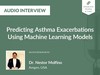 19 min
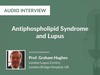 19 min
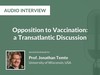 27 min
 24 min
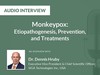 21 min
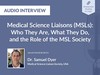
 18 min
 16 min
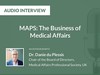 28 min
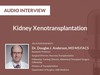 13 min
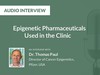 17 min
 26 min
John Hardy is a geneticist and molecular biologist whose research interests focus on neurological disease. Dr. Hardy received his B.Sc. (Hons) degree from the University of Leeds, UK (1976) and his Ph.D. from Imperial College, London, UK where he studied dopamine and amino acid neuropharmacology. Dr. Hardy received his postdoctoral training at the MRC Neuropathogenesis Unit in Newcastle upon Tyne, UK and then further postdoctoral work at the Swedish Brain Bank in Umeå, Sweden where he started to work on Alzheimer’s disease. He became Assistant Professor of Biochemistry at St. Mary’s Hospital, Imperial College, London in 1985 and initiated genetic studies of Alzheimer’s disease whilst there. He was appointed Associate Professor in 1989 and then took the Pfeiffer Endowed Chair of Alzheimer’s Research at the University of South Florida, in Tampa in 1992. In 1996 he moved to the Mayo Clinic in Jacksonville, Florida, as Consultant and Professor of Neuroscience. He became Chair of Neuroscience in 2000 and moved to NIA as Chief of the Laboratory of Neurogenetics in 2001. He won the MetLife, the Allied Signal and the Potamkin Prize for his work in describing the first genetic mutations, in the amyloid gene in Alzheimer’s disease, in 1991. He was Head of the Neurogenetics Section, National Institute of Ageing, Bethesda, USA and in 2007 took up the Chair of Molecular Biology of Neurological Disease at the UCL Institute of Neurology. With over 23,000 citations, Prof Hardy is the most cited Alzheimer's disease researcher in the UK (5th internationally). In recognition of his exceptional contributions to science, he was elected a Fellow of the Royal Society in 2009. In 2016 Prof Hardy received the Breakthrough Prize in Life Sciences for his research on the cause of early-onset Alzheimer’s disease.
We use cookies, and similar tools, to improve the way this site functions, to track browsing patterns and enable marketing. For more information read our cookie policy and privacy policy.
Cookies are of the following types:
For more information see our Cookie Policy.
Some types of cookies can be disabled by you but doing so may adversely affect functionality. Please see below:
If you block these cookies or set alerts in your browser parts of the website will not work.
Cookies that provide enhanced functionality and personalisation. If not allowed functionality may be impaired.
Cookies that count and track visits and on website activity enabling us to organise the website to optimise the experience of users. They may be blocked without immediate adverse effect.


